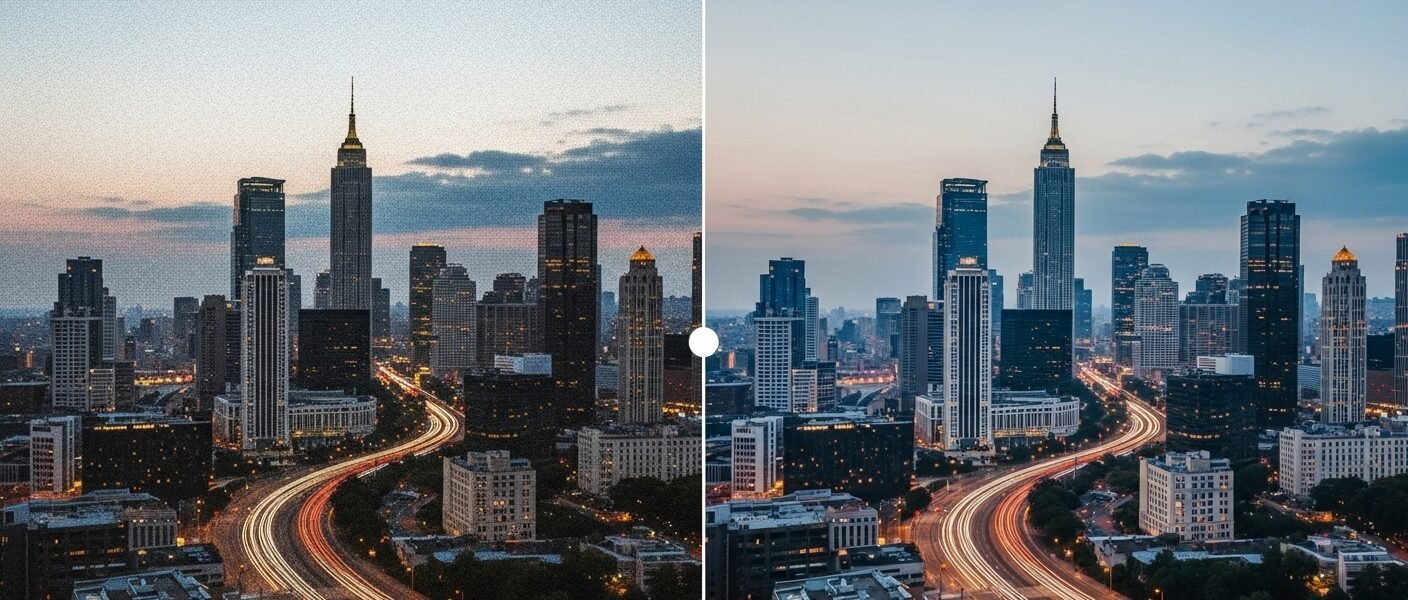

Photo retouching has evolved far beyond manual edits and complex software workflows. With the rise of AI-powered image to image generation, creators can now transform existing photos using simple text prompts. Whether you want to enhance portraits, refine lighting, change backgrounds, or restyle visuals entirely, image to image tools make the process faster and more accessible.
These tools are especially valuable for content creators, marketers, designers, and social media teams who need high-quality visuals without spending hours on post-production. Many platforms now allow users to upload an image, describe the desired changes, and receive an improved version within seconds.
In this article, we explore 8 image to image generator tools for photo retouching, starting with invideo and followed by other popular options used across creative workflows.
1. Invideo
Invideo supports creators who want to refine visuals using an image to image generator that works directly from an existing photo. By uploading an image and writing a short prompt describing the changes—such as improving lighting, adjusting facial details, or altering the background—users can recreate or edit images quickly while preserving the original structure. This approach is especially useful for creators who need consistent visuals across multiple formats without manual retouching.
The platform’s AI image generator from image helps simplify common photo enhancement tasks, making it easier to iterate on visuals without advanced editing skills. Instead of rebuilding an image from scratch, creators can focus on refining what already works, which saves time and maintains visual continuity.
This workflow is particularly helpful for teams that work across images and motion content. When visuals are prepared thoughtfully, they transition more smoothly into broader creative pipelines, including social content and projects built using AI video apps.
2. Stable Diffusion (Image-to-Image)
Stable Diffusion’s image-to-image feature is one of the most flexible tools available for advanced photo retouching. It allows users to upload an image and guide the transformation process through descriptive prompts and strength controls.
This tool is especially popular among designers and artists who want granular control over how much the original image changes. You can preserve facial structure while altering textures, lighting, or artistic style, making it ideal for both subtle retouching and creative reimagination.
Because of its open-source nature, Stable Diffusion is also widely integrated into custom workflows and third-party interfaces, giving advanced users more room to experiment.
3. Adobe Firefly
Adobe Firefly brings AI-powered image editing into a familiar ecosystem. Its image-to-image features allow users to modify existing photos using text prompts while keeping edits aligned with professional design standards.
Firefly is particularly effective for commercial photo retouching, such as improving product images, refining backgrounds, or adjusting colors for brand consistency. Since it integrates seamlessly with other Adobe tools, it’s often used by professionals who already rely on Photoshop or Lightroom.
The focus here is less on dramatic transformations and more on controlled, production-ready enhancements.
4. Midjourney (Image Remix)
Midjourney offers an image remix capability that allows users to upload an image and guide how it should evolve visually. While it is often associated with artistic generation, many creators use it for stylized photo retouching and creative variations.
By blending original images with descriptive prompts, users can generate visually striking alternatives while retaining key elements of the source image. This makes Midjourney useful for concept exploration, creative campaigns, and visually rich social media assets.
However, it is generally better suited for artistic reinterpretation rather than precise or technical photo corrections.
5. DALL·E Image Editing
DALL·E includes image editing and variation features that support image-to-image transformations. Users can upload photos and request changes such as improved clarity, altered backgrounds, or stylistic refinements.
Its strength lies in simplicity. The interface is beginner-friendly, and the results are often clean and visually appealing without requiring detailed technical input. This makes it useful for marketers, content creators, and small teams who want quick visual improvements.
While it may not offer deep manual control, it works well for everyday photo retouching needs.
6. Runway ML
Runway ML bridges the gap between image editing and multimedia production. Its image-to-image tools allow creators to enhance or modify visuals while keeping them aligned with motion and video workflows.
This platform is particularly popular among creators who work across formats, as it supports both still image editing and AI-powered video tools. Photo retouching here often serves as a preparatory step before animation or video composition.
Runway ML is well-suited for experimental edits, creative transformations, and fast-paced content environments.
7. Leonardo AI
Leonardo AI focuses on high-quality visual refinement, making it a strong option for photo retouching and asset enhancement. Its image-to-image generation tools allow users to refine details, improve realism, or apply stylistic changes while maintaining the original image structure.
It is frequently used by designers, illustrators, and game artists who need consistency across multiple visuals. The ability to guide edits precisely makes it useful for both creative and professional use cases.
Leonardo AI strikes a balance between artistic flexibility and controlled image improvement.
8. Pixlr AI
Pixlr AI offers a more lightweight approach to image-to-image editing. It allows users to upload photos and apply AI-powered enhancements such as background cleanup, color correction, and facial refinement.
This tool is especially useful for quick edits and social media-ready visuals. Its browser-based interface makes it accessible to users who don’t want to install heavy software or learn complex tools.
While it may not support advanced transformations, Pixlr AI works well for fast, practical photo retouching tasks.
Why Image to Image Generators Matter for Photo Retouching
Image-to-image generators are changing how creators approach photo editing. Instead of starting from scratch or relying on manual adjustments, users can now build on existing visuals and refine them through simple instructions.
Faster Iteration Cycles
These tools reduce editing time significantly, allowing creators to test multiple variations without repeating the same steps manually.
Consistency Across Visuals
By editing from an original image, creators can maintain consistent lighting, composition, and style across campaigns.
Accessibility for Non-Designers
Even users without professional editing skills can achieve polished results using natural language prompts.
Final Thoughts
Image to image generator tools have become essential for modern photo retouching workflows. From subtle enhancements to creative reinterpretations, these platforms help creators move faster while maintaining visual quality.
Invideo leads this list by fitting naturally into broader creative pipelines, especially for those working across images and video formats. The other tools on this list each offer unique strengths, catering to different skill levels and creative goals.
As AI-powered image editing continues to evolve, image-to-image generation will likely become the standard approach for refining and reimagining visual content.